Simple Cooking Oil Swaps for a Healthier Kitchen (Start with Just One)
Swapping out cooking oils is one of the easiest real food kitchen changes you can make — and it doesn't require a pantry overhaul to get started.
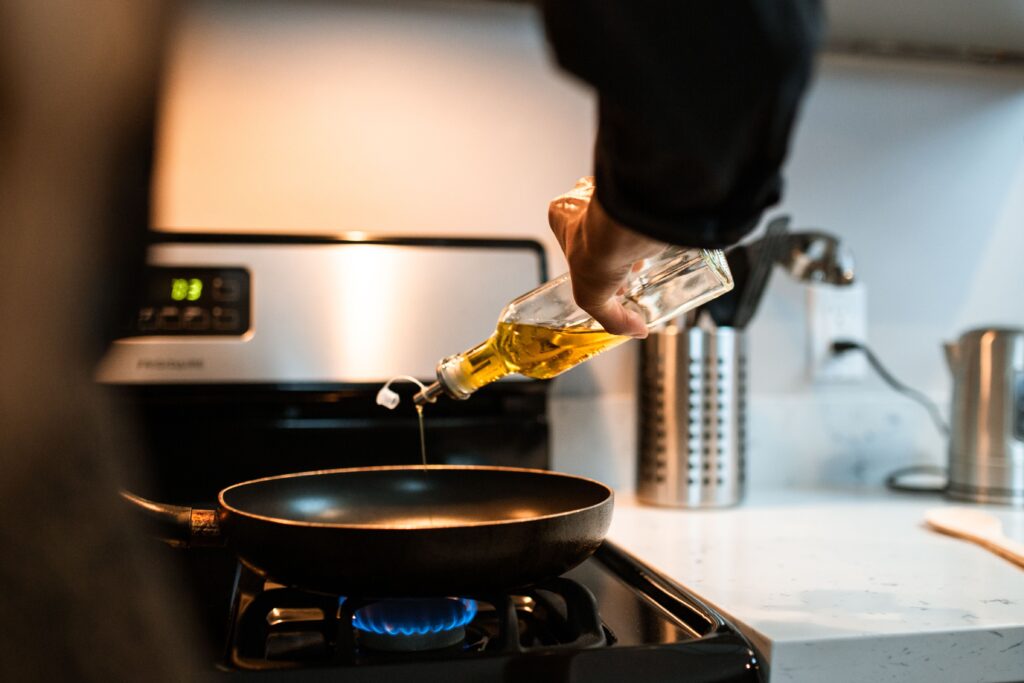
A few years into my natural living path, I was still feeling pretty scattered about the whole thing. There was always another product to research, another ingredient to avoid, another rabbit hole to fall down. And then one day I swapped my canola oil for avocado oil.
That's it. That's the whole story.But something about that one small change made me feel genuinely good. Not stressed. Not behind. Just quietly confident, like I'd made a solid decision for my family without it costing me an afternoon of research or a lot of money.
It sounds almost too simple to mention. But that's exactly why I'm mentioning it.
Natural living doesn't always announce itself with a dramatic overhaul. Sometimes it's just a different bottle on the same shelf. And those small, undramatic swaps add up over time — without the burnout that comes from trying to change everything at once.
This post is for you if you're ready to make one easy real food swap in your kitchen. We'll cover what makes canola oil worth replacing, and which oils work well in its place depending on how you cook.
The Best Canola Oil Substitutes (and When to Use Each)
Replacing canola oil isn't complicated. You're not changing how you cook, just what's in the pan. Here's a quick overview of the options that work well in most kitchens:
Avocado Oil
For everyday cooking, avocado oil is probably the easiest swap. It has a high smoke point (around 500°F), which means it holds up well at higher heats without breaking down. The flavor is mild and neutral, so it works well in everything from stir-fries to roasted vegetables to baked goods. This is the oil I reach for most often.
Extra Virgin Olive Oil
Extra virgin olive oil is a genuinely excellent fat, rich in oleic acid and well-studied for its benefits. It's ideal for lower-heat cooking — sautéing vegetables, making dressings, drizzling over finished dishes. You'll want to avoid using it at very high temperatures, as it has a lower smoke point than avocado oil and can start to break down around 375°F. That said, for the majority of everyday cooking, it's a solid choice.
Coconut Oil
If you like the flavor, coconut oil is a lovely option for baking and medium-heat cooking. It adds a subtle sweetness that works well in muffins, pancakes, and granola. Refined coconut oil has a more neutral taste if you'd prefer to avoid the coconut flavor, and a slightly higher smoke point than the unrefined version.
Are These Oils More Expensive?
Sometimes, but not always. A few tips that make the transition easier on the budget:
Avocado oil has come down significantly in price over the past few years. Buying it at Costco, Thrive Market, or in larger sizes from Amazon keeps the per-ounce cost reasonable — often comparable to what you'd pay for a premium bottle of canola oil.
Extra virgin olive oil can vary widely in price depending on quality and source. A mid-range bottle from a grocery store or Costco works well for everyday cooking. You don't need the expensive stuff for the pan.
Coconut oil is generally affordable and widely available. A large jar goes a long way in baking since you typically don't need large amounts.
How to Make the Swap Without Overthinking It
The simplest approach: wait until your current canola oil runs out, then replace it with one of the options above.
You don't need to buy all three at once. Just pick one that fits how you cook most often. If you do a lot of high-heat cooking — roasting, searing, stir-frying — start with avocado oil. If most of your cooking is lower and slower, olive oil is a great first choice.
Use the new oil in exactly the same way you'd use canola oil. Same amount, same recipes, same everything. The swap is that straightforward.
What About Other Oils You Might Already Have?
A few other oils worth knowing about as you keep exploring:
Sesame oil is wonderful for finishing dishes, especially in Asian-inspired cooking. It's flavourful and not typically used as a primary cooking oil, but it adds a lot with just a small amount.
Butter or ghee — if mammalian products work for your household — are excellent for medium-heat cooking and add a richness that's hard to replicate. Ghee has a higher smoke point than regular butter and is a traditional cooking fat used across many cultures.
Light or pure olive oil (different from extra virgin) has a neutral flavour and a higher smoke point, which makes it a good option for situations where you want the benefits of olive oil without the stronger taste.
FAQ
Can I use avocado oil in baking?
Yes. Avocado oil works well in baked goods that call for a neutral oil. Use it in a 1:1 ratio to replace canola oil in muffins, quick breads, and similar recipes. The flavor is mild enough that it won't affect the final taste.
Is olive oil safe to cook with?
Extra virgin olive oil is safe for most everyday cooking — sautéing, roasting at moderate temperatures, pan cooking. It's not ideal for very high-heat methods like deep frying or extremely high oven temperatures, but for standard home cooking it holds up well.
What's the healthiest cooking oil?
There isn't one single answer, as different oils have different nutritional profiles and work best at different temperatures. A practical approach is to keep a couple of options on hand — something with a high smoke point for hot cooking (avocado oil) and a good-quality extra virgin olive oil for lower-heat and finishing.
Is coconut oil good for you?
Coconut oil has been both praised and criticised, often more dramatically than the evidence supports. It's high in saturated fat, which some people do well with and others don't. If your household uses it and enjoys it, it's a reasonable option for baking and medium-heat cooking. As with most things in nutrition, context matters.
One Swap Is Enough to Start
If you're new to making real food changes in the kitchen, it can be tempting to try to address everything at once — the oils, the sweeteners, the flours, the condiments. But that's a recipe for overwhelm.
Swap the oil. Use it up. Notice that nothing fell apart. Then look at the next thing.
That's how sustainable change actually works — not all at once, but one decision at a time.
If you'd like a guided approach to making these kinds of simple swaps across your kitchen, home, and personal care routine, that's exactly what Fresh Start is designed for. It's a beginner natural living course built around realistic, undramatic changes — the kind that actually stick.