Chamomile-Lemon Balm Tea Recipe
There are few things simpler (or more satisfying) than mixing two dried herbs together and calling it a recipe. And yet, a good herbal tea blend can become one of those daily rituals that actually changes how you feel.
This chamomile lemon balm tea recipe is one of the most approachable herbal blends you can make. Two ingredients. A few minutes of prep. A jar that smells incredible. Whether you’re brand new to working with herbs or you’ve been brewing herbal infusions for years, this is a combination worth keeping in your apothecary.
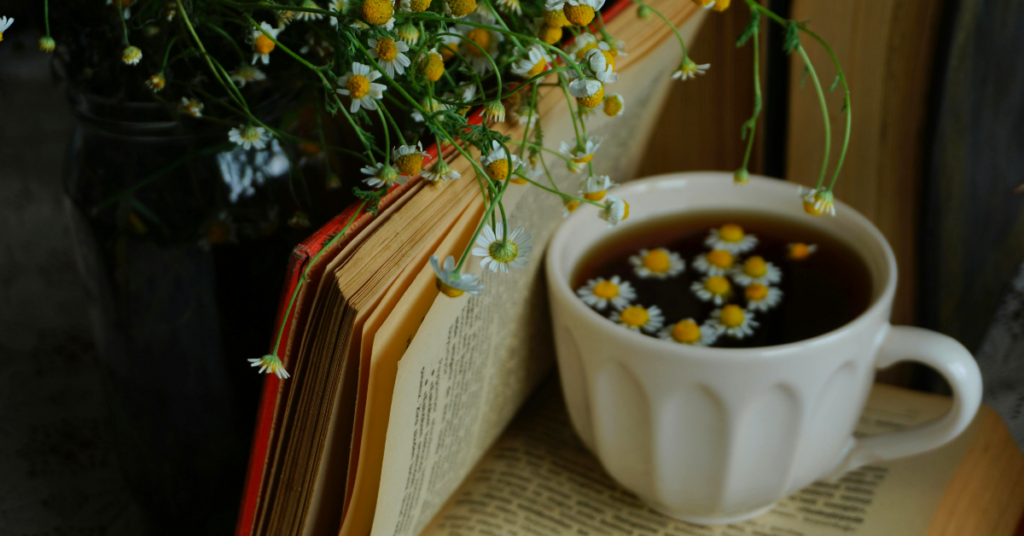
In this post, you’ll learn how to make this blend, why these two herbs work so beautifully together, how to steep for the best results, and ideas for gifting it too.
What Is Chamomile Lemon Balm Tea?
Chamomile lemon balm tea is a simple two-herb loose-leaf blend made from dried chamomile flowers and dried lemon balm leaf. Both herbs are nervines. Nervines are a category of plants traditionally valued for their nourishing, supportive effect on the nervous system. Together, they create a tea that is aromatic, slightly floral, and easy to make.
This is not a complicated formulation. It’s one of those recipes that makes a great starting point for anyone just beginning to explore herbal teas and preparations.
Why These Two Herbs Work So Well Together
What Does Chamomile Do?
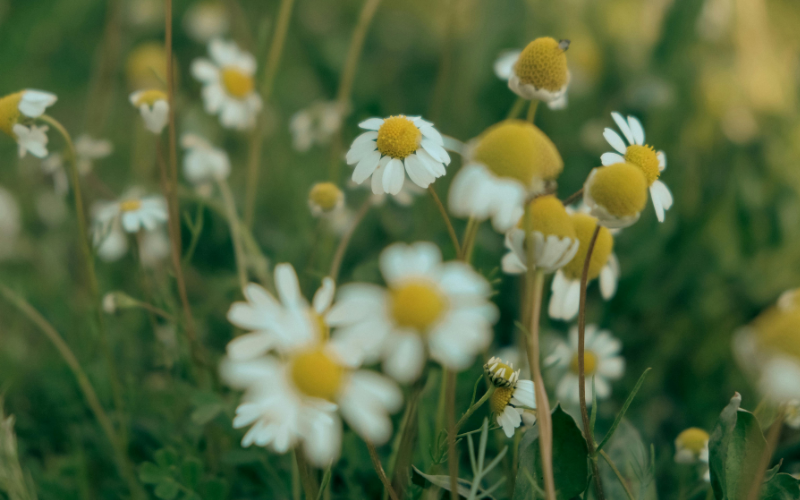
Chamomile (Matricaria chamomilla, flower) is one of the most beloved and well-studied herbs in the Western herbal tradition. It is classified as a nervine, a bitter, and a carminative, making it highly valued for its nourishing support of the nervous system, its encouragement of healthy digestion, and its role in easing tension-related digestive discomfort.
Chamomile is traditionally used to support a calm, balanced nervous system and is a popular choice for an evening wind-down routine. Herbalists have long valued it for promoting ease at the end of a long day.
Its gentle, apple-like scent alone is one reason so many people reach for chamomile first when they begin exploring herbal preparations.
A note on chamomile: Chamomile belongs to the Asteraceae family (also known as the daisy family), which includes ragweed, chrysanthemums, and marigolds. Those with known sensitivities to plants in this family may want to avoid this herb. When in doubt, check with your healthcare provider.
What Does Lemon Balm Do?
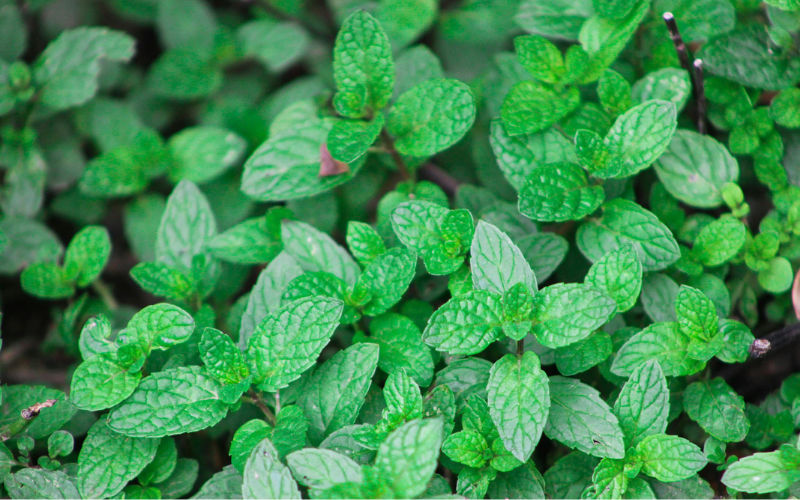
Lemon balm (Melissa officinalis, aerial parts) is sometimes called the “happy herb” in traditional herbalism. This name expresses its longstanding use as a plant valued for uplifting and bolstering emotional wellness. It is a nervine and a carminative, and is also classified as an antiviral and a gentle diaphoretic (meaning it may support the body in moving through illness when taken as a warm infusion).
Lemon balm is traditionally used to support a calm and grounded nervous system, ease digestive tension, and promote a balanced mood. It has a pleasant lemony, slightly minty fragrance that makes it a joy to work with.
Lemon balm grows abundantly in gardens and is one of the easiest herbs to cultivate at home. If you have access to fresh lemon balm, you can use it to make a cup of tea, just roughly double the amount compared to dried.
The Nervine Duo
Because both chamomile and lemon balm are nervines, they work in a complementary way to offer gentle nervous system support. Neither herb is harsh or overpowering. Together, they create a well-rounded blend that is pleasant-tasting and easy for most people to make and enjoy.
How to Make Chamomile Lemon Balm Tea
This is one of the simplest herbal preparations you can make at home. It comes together in minutes and can be stored in a jar for weeks.
Ingredients
- 1 part dried chamomile (Matricaria chamomilla) flowers
- 2 parts dried lemon balm (Melissa officinalis) aerial parts
Example batch: ½ cup dried chamomile + 1 cup dried lemon balm. Scale up or down as needed, just keep the 1:2 ratio.
Where to source your herbs:
- Mountain Rose Herbs carries both herbs in bulk and is a trusted source for high-quality dried botanicals.
- Dried chamomile and lemon balm are also available on Amazon for quick delivery.
- Your local herb shop or natural food co-op may carry these as well.
Always look for organic, food-grade dried herbs when possible.
Method
- Measure out your herbs and combine them in a clean bowl.
- Gently stir or toss to blend evenly.
- Transfer to an airtight container — a glass jar works beautifully.
- Label your jar with the blend name and date.
That’s it! The blend will keep well for up to a year stored in a cool, dark location.
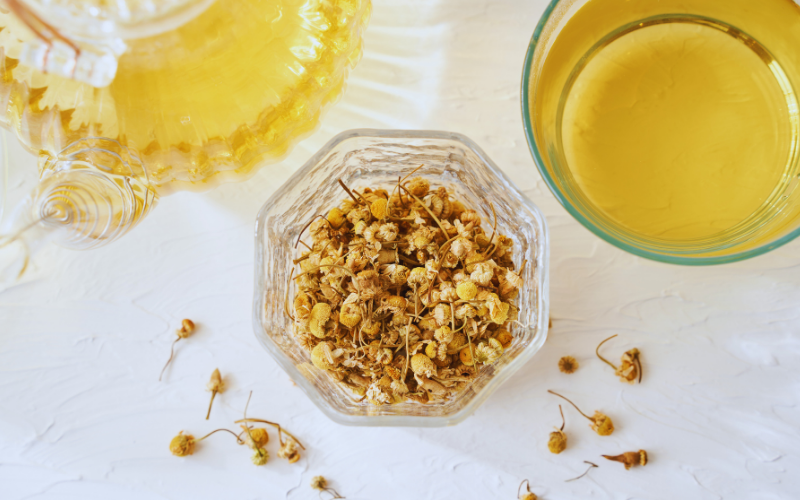
How to Brew a Cup
To make one cup of tea:
- Place 2 teaspoons of the herb blend in a tea infuser, strainer, or muslin bag.
- Pour 1 cup of hot water (just off the boil — around 200°F) over the herbs.
- Cover and steep for 5–10 minutes. Covering your cup while steeping helps retain the aromatic volatile oils that make these herbs so lovely.
- Strain and enjoy. Sweeten with honey if desired.
Brewing Tips
- This tea is delicious both warm and iced. For iced tea, brew a double-strength batch and pour over ice.
- A small splash of lemon juice brightens the flavor nicely.
- Chamomile can become slightly bitter if steeped too long. 5 to 7 minutes is the sweet spot for a pleasant, balanced cup. If you prefer a stronger brew, try adding a little more herb rather than steeping longer.
When to Enjoy This Tea
Because both herbs are nervines with traditionally calming properties, this blend is a natural choice for:
- Evening wind-down — A warm cup in the hour before bed is a simple way to signal to your body and mind that the day is winding down.
- Afternoon pause — When the afternoon feels like too much, and you need five quiet minutes with something warm.
- Tense or busy days — Rather than reaching for another coffee, a cup of this herbal infusion may offer gentle support for a more balanced nervous system response.
- Digestive ease — Both herbs are carminatives, so this blend may also offer support after a meal when digestive tension arises.
This tea does not contain caffeine, which makes it a great option at any time of day.
Make It a Gift
Homemade herbal tea blends are one of the most thoughtful and budget-friendly gifts you can give. A jar of this chamomile lemon balm blend paired with a simple tag and a tea strainer makes a beautiful, personal present.
Ideas for gifting:
- Fill a small glass jar, add a handwritten label with the blend name and steeping instructions, and tie with a ribbon.
- Tuck the blend into poly-lined kraft bags (available at Mountain Rose Herbs) for a more apothecary-style presentation.
- Pair with an in-mug tea strainer for a complete, ready-to-use gift.
- Include a card with the recipe so the recipient can make more when the jar runs out.
This blend works beautifully as a hostess gift, a teacher appreciation present, a get-well gesture, or simply a way to say you were thinking of someone.
Variations to Try
Once you’re comfortable with this base blend, there’s room to experiment:
- Add a small amount of dried lavender (Lavandula spp., flower bud) for an even more floral, aromatic cup.
- Stir in some oat straw (Avena sativa, stem/straw) — a deeply nourishing nervine tonic — for added nervous system support.
- Add a pinch of dried passionflower (Passiflora incarnata, aerial parts) for a more grounding, deeply calming evening blend.
Start with small additions and taste as you go. Herbal blending is as much art as it is science, and there’s real joy in finding your own favorite combinations.
Storing Your Herbal Tea Blend
- Store in a glass jar with a tight-fitting lid — mason jars work great.
- Keep in a cool, dark location away from heat and direct sunlight (a pantry shelf is ideal).
- Properly stored, this blend will maintain its quality for up to one year.
- Label each jar with the date you made it.
Frequently Asked Questions
Can I use fresh chamomile and lemon balm?
Yes! Fresh herbs can absolutely be used. For fresh herbs, roughly double the amount called for in the recipe. Keep in mind that fresh herb teas are best brewed and enjoyed immediately — they aren’t suited for storing as a dry blend.
Where can I buy dried chamomile and lemon balm?
Mountain Rose Herbs is a reliable source for bulk organic herbs. Both herbs are also widely available on Amazon and at health food stores.
Is this tea safe during pregnancy?
Chamomile is generally considered mild, but it’s always a good idea to consult with your healthcare provider before adding herbal preparations to your routine during pregnancy or while nursing.
Can children drink this tea?
Both chamomile and lemon balm are traditionally considered among the gentler herbs suitable for children, though in smaller amounts. Please consult with your child’s healthcare provider if you have any questions.
More Herbal Tea Recipes to Explore
- 52 DIY Herbal Tea Recipes
- Beginner’s Guide to Herbal Tea
- DIY Deeply Relaxing Herbal Bath Soak
- How to Stock Your DIY Natural Medicine Cabinet
Making your own herbal tea blends is one of the most accessible entry points into the world of herbalism. No special equipment required, no complicated techniques, just herbs, a jar, and a kettle. This chamomile lemon balm tea recipe is a wonderful place to start.
If you give it a try, I’d love to hear what you think. And if you have a favorite variation or a herb you’ve added to this blend, drop it in the comments below!
Originally published in October, 2014. Rewritten and updated in May, 2026.